
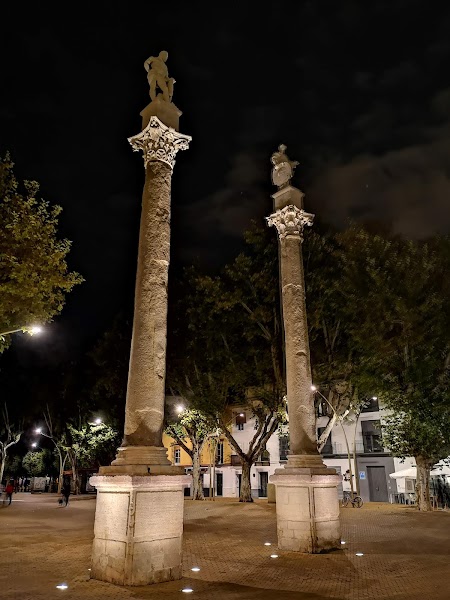
Alameda de Hércules is far more than just a scenic promenade in Seville; it is the cultural heartbeat of the city’s northern quarter. Often referred to as the oldest public garden in Europe, this vibrant square is a gathering place for locals who come to sip coffee under the shade of towering trees, browse vintage book stalls, or enjoy the lively nightlife that spills out from the surrounding tapas bars. Its central location makes it an ideal base for travelers who want to experience authentic Andalusian life away from the overcrowded tourist traps, while still remaining within walking distance of some of the most significant monuments in the region.
The area surrounding the Alameda is a fascinating mix of bohemian energy, historic architecture, and deep-rooted local traditions. Unlike the more polished streets of the historic center, this neighborhood offers a raw and genuine glimpse into modern Sevillian culture. Here, you will find a blend of centuries-old churches, contemporary art spaces, and bustling markets where the aromas of orange blossom and freshly fried fish mingle in the air. It is a district that rewards the curious traveler who is willing to wander down narrow side streets and discover hidden plazas that rarely make it onto standard postcards.
One of the greatest advantages of staying near Alameda de Hércules is the sheer walkability of the surrounding attractions. While Seville is a large city, the historical density means that many of the most breathtaking sights are clustered within a 20 to 30-minute stroll from the square. Whether you are interested in Roman ruins, Mudéjar palaces, or the haunting beauty of religious art, the northern quarter serves as a perfect launching pad for your explorations. The journey from the Alameda to these landmarks often takes you through winding, whitewashed lanes that are attractions in their own right.
For history enthusiasts, the proximity to the remnants of the Roman city of Hispalis offers a unique opportunity to connect with the ancient past. For food lovers, the nearby markets and specialty food shops provide a sensory overload that defines Andalusian gastronomy. The neighborhood is not just a place to sleep; it is a living, breathing entity that changes character from the quiet, family-friendly mornings to the electric, music-filled evenings. Understanding this rhythm allows visitors to plan their days effectively, balancing sightseeing with the necessary pauses for a chilled glass of Manzanilla or a plate of salmorejo.
When planning your itinerary, it is essential to recognize that the area north of the city center is relatively flat and easy to navigate. The streets are lined with ceramic tiles and historic facades, making even a simple walk to the grocery store feel like a cultural excursion. However, the Andalusian sun can be intense, particularly between the months of June and September, so timing your visits to the major attractions is crucial. The best approach is to explore the outdoor monuments in the early morning or late afternoon, reserving the hottest hours for indoor museums or a long, leisurely lunch under an awning.
The attractions listed below are not merely the closest geographically; they are curated to provide a holistic view of what makes Seville special. They range from world-famous architectural marvels to local secrets that offer a moment of quiet reflection. By using the Alameda as your anchor, you can weave these destinations into a seamless walking route that avoids backtracking and maximizes your time in this enchanting city. Each location offers a different layer of history, from the Visigoths and Moors to the Catholic Monarchs and the romanticism of the 19th century.
Before you set out, remember that Seville is a city best experienced slowly. Do not rush from one monument to the next without stopping to notice the details: the intricate ironwork on a balcony, the scent of jasmine cascading over a garden wall, or the distant sound of a flamenco guitar drifting from an open window. With that spirit of discovery in mind, here are the ten best attractions located within easy reach of Alameda de Hércules.
Alameda de Hércules

| Address | Alameda de Hércules, Casco Antiguo, 41002 Sevilla |
|---|---|
| Maps | Click here |
| Website | Click here |
| Opening Hours | — |
| Phone | — |
Tips for Exploring the Area
Navigating a historic city like Seville requires a blend of preparation and spontaneity, especially when you are based in a dynamic neighborhood like the Alameda. The following advice is designed to help you navigate the cultural norms, avoid common tourist pitfalls, and experience the city with the ease of a local. By keeping these practical tips in mind, you will save money, time, and energy, allowing you to focus on the beauty and history that surrounds you.
Wear Comfortable, Supportive Footwear
The historic center of Seville is paved with cobblestones and smooth, worn stone slabs that can become slippery when polished by years of foot traffic. While the city is flat, you will easily log over ten kilometers a day walking between the Alameda and the major monuments. Avoid thin-soled shoes; opt for cushioned sneakers or sturdy sandals with arch support to keep your feet comfortable from the morning coffee run to the late-night paseo.
Respect the Siesta and Late Opening Hours
Many small shops, churches, and even some museums close their doors between 2:00 PM and 5:00 PM, only to reopen in the early evening. Do not assume an attraction is closed for the day just because it is shuttered in the afternoon. Plan your indoor sightseeing for the morning, enjoy a long lunch during the heat of the day, and resume your exploration when the city wakes up again around 5:00 or 6:00 PM.
Carry Cash for Small Purchases
While credit cards are widely accepted in hotels and larger restaurants, many traditional tapas bars, market stalls, and small boutiques near the Alameda prefer cash or have a minimum spend for card transactions. Keep a supply of small bills and coins on hand to avoid awkward situations, especially when buying a quick café con leche or a pastry from a local bakery.
Dress Appropriately for Religious Sites
If your itinerary includes entering churches, chapels, or the Cathedral, remember that these are active places of worship. Shoulders and knees should be covered, and hats should be removed upon entry. Even in the sweltering summer heat, carrying a lightweight scarf or shawl in your bag allows you to transition seamlessly from the casual atmosphere of the Alameda to the respectful silence of a historic sanctuary.
Learn Basic Spanish Greetings
While many people in the tourism industry speak English, the neighborhoods around the Alameda are residential and local. A simple "Buenos días" (good morning), "Por favor" (please), and "Gracias" (thank you) go a long way in establishing a warm rapport with shopkeepers and waiters. Locals appreciate the effort, and it often leads to better service, helpful recommendations, and a more authentic interaction.
Stay Hydrated and Seek Shade
The Andalusian sun is relentless, and the urban layout can create heat traps in the narrow streets. Carry a reusable water bottle; Seville has many public fountains with potable water where you can refill for free. When walking between attractions, cross to the shady side of the street and do not hesitate to pause in a small plaza or under an orange tree to cool down before continuing your journey.
The area surrounding Alameda de Hércules offers a rare balance between the grandeur of Seville’s monumental history and the intimacy of everyday local life. As you walk from the ancient columns that give the square its name toward the grand cathedrals and palaces nearby, you are tracing a path that has been used by Romans, Moors, and generations of Sevillanos. This continuity of history is what makes the city so compelling; it is not frozen in time but rather layered with the stories of those who have walked these streets before you.
By taking the time to explore these attractions at a leisurely pace, you will come to understand why Seville is so fiercely loved by its residents. The city does not reveal all of its secrets at once; it rewards patience, curiosity, and a willingness to turn down an unfamiliar alley. Whether you are watching the sunset reflect off the tiles of a Mudéjar tower or listening to the murmur of conversation in a hidden courtyard, the magic of Seville is in the details. Use the Alameda as your home base, and you will find that the best of the city is never far from your doorstep.